
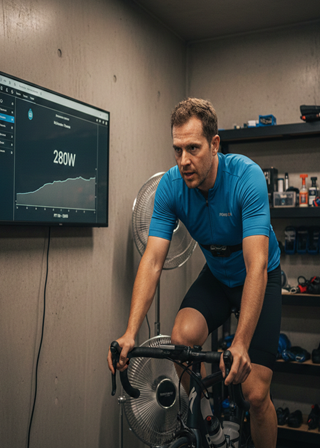

Increasing your Functional Threshold Power requires systematic training that stresses the physiological systems limiting performance at lactate threshold. While consistent base training builds aerobic foundation, specific FTP-focused workouts—incorporating threshold intervals, sweet spot sessions, and VO₂max efforts—guided by 🔗 a reliable cycling power meter produce the fastest gains in sustainable power output for time trials, climbing, and race preparation.
FTP improvements result from multiple physiological adaptations working synergistically. Training stimulates PGC-1α activation, which triggers mitochondrial biogenesis—creating new cellular powerhouses that generate ATP aerobically. Simultaneously, your body develops superior lactate buffering capacity, increased capillary density in working muscles, and enhanced neuromuscular recruitment patterns.
The critical insight: both high-intensity intervals and extensive Zone 2 volume activate these pathways, but low-intensity training imposes less fatigue, allowing greater total training stress accumulation. Elite cyclists achieve remarkable FTP values through massive aerobic volume combined with targeted intensity—not through endless threshold torture sessions.

Approximately 80% of training sessions should occur at low-intensity Zone 2 pace for optimal FTP development. This counterintuitive approach works because aerobic adaptations—mitochondrial proliferation, capillarization, oxidative enzyme production—are best guided by 🔗 accurate heart rate monitoring, which allows sustained training stimulus without excessive recovery demands.
Volume Comparison Example: Two athletes perform identical threshold intervals (3×15 minutes twice weekly). Athlete A trains 6 hours weekly total; Athlete B trains 12 hours weekly, filling extra time with Zone 2 rides. Athlete B demonstrates significantly greater FTP improvement despite identical intensity work.
Long Endurance Rides: 2-5 hours at 55-75% FTP, maintaining steady power output. Avoid surging on climbs or coasting downhill—consistent power application maximizes adaptation stimulus. Use smart trainers or power meters to monitor real-time output via bike computers.
Frequency: 3-4 Zone 2 sessions weekly during base training phases. Build duration progressively: start with 90-minute rides, add 15-30 minutes weekly until reaching 3-4 hour capacity for gran fondo and century ride preparation.
Cadence Focus: Maintain 85-95 RPM during endurance rides to reinforce efficient pedal stroke mechanics and reduce muscular tension accumulation.

Sweet spot training—sustained efforts at 88–94% FTP—delivers approximately 90% of threshold training benefits while requiring 50% less recovery time. This efficiency makes sweet spot the cornerstone of FTP development for time-crunched athletes balancing training with work and family commitments when guided by 🔗 real-time power zone feedback.
Physiological Target: Sweet spot intensity sits just below lactate threshold, creating substantial aerobic stress while maintaining primarily fat-based fuel utilization. Athletes accumulate significant training stress score (TSS) without the glycogen depletion and neuromuscular fatigue inherent in true threshold work.
Beginner Protocol (Weeks 1-4):
Intermediate Protocol (Weeks 5-8):
Advanced Protocol (Weeks 9-12):
Execution Tips: Begin each interval conservatively—the final 5 minutes prove most challenging as lactate accumulates. Monitor normalized power to account for small variations in output. Indoor training on platforms like Zwift or TrainerRoad using ERG mode maintains precise wattage targets throughout intervals.

Training at or slightly above your current FTP (95-105% threshold) provides the most specific stimulus for raising critical power. These demanding sessions require complete mental focus and generate substantial fatigue demanding 48-72 hours recovery.
2×20 Protocol (Gold Standard):
Target Power: Aim for 100–105% of current FTP during the first interval if feeling strong. The second interval typically drops to 95–100% as glycogen depletes and lactate accumulates, making 🔗 precise interval pacing essential to maintain training quality.
4×8 Threshold Intervals:
3×10 Over-Under Intervals:
Phase 1 (Weeks 1-4): Build threshold tolerance with 4×8 intervals, focusing on completion rather than exceeding prescribed power.
Phase 2 (Weeks 5-8): Transition to 2×20 efforts, establishing sustainable pacing strategy.
Phase 3 (Weeks 9-12): Introduce over-unders and slightly supra-threshold intervals (105-110% FTP for 5-8 minutes) to push current ceiling.

While VO₂max intervals target aerobic capacity (106–120% FTP for 3–8 minutes), they indirectly elevate FTP by 🔗 improving oxygen delivery, increasing cardiac stroke volume, and enhancing neuromuscular recruitment. Think of VO₂max as raising your performance ceiling—FTP follows upward as the gap between threshold and maximal capacity widens.
5×5 Intervals:
4×8 VO2max:
Microbursts:

Time-Crunched Athlete (6-8 hours weekly):
High-Volume Athlete (12-15 hours weekly):
Base Phase (8-12 weeks): 80% Zone 2 volume, introduce sweet spot work gradually.
Build Phase (6-8 weeks): Maintain Zone 2 foundation, increase threshold and VO2max frequency to twice weekly.
Peak Phase (3-4 weeks): Reduce volume 30-40%, maintain intensity, emphasize recovery and race preparation.
Recovery Week (Every 3-4 weeks): Cut volume and intensity by 40-50% to facilitate adaptation and prevent overtraining.
Nutrition Timing: Consume 30-60g carbohydrates hourly during threshold intervals to maintain power output. Train Zone 2 sessions fasted occasionally to enhance fat oxidation.
Power Meter Calibration: Zero your power meter before each session. Temperature fluctuations affect strain gauge accuracy—calibration ensures data consistency.
Indoor vs. Outdoor: While indoor training provides superior control for intervals — allowing you to nail power targets and structured pacing regardless of weather — outdoor rides are still valuable for endurance volume and climbing-specific work. Using 🔗 controlled indoor interval sessions can help you stay consistent and hit your FTP goals even when time or conditions aren’t ideal.
Track Progress: Retest FTP every 6-8 weeks. Monitor normalized power trends and power curve improvements via platforms like TrainingPeaks, Golden Cheetah, or WKO5 software.
How many FTP intervals should I do per week?
Two high-quality FTP sessions weekly provide optimal stimulus without overtraining. Typical structure includes one longer threshold session (2×20 or 3×15 minutes at 95-100% FTP) and one sweet spot workout (3×15 minutes at 88-94% FTP). Additional sessions risk accumulated fatigue preventing adequate recovery. During base training, reduce to zero or one weekly FTP session, emphasizing Zone 2 volume instead.
Should I do FTP intervals indoors or outdoors?
Indoor training offers perfect execution—smart trainers maintain precise power targets eliminating terrain, traffic, and wind variables. Outdoor intervals better simulate race conditions including pacing decisions, environmental factors, and technical skills. Ideal approach combines both: weekday indoor intervals for quality, weekend outdoor efforts for specificity. Weather-limited athletes achieve excellent results training exclusively indoors.
What if I cannot complete FTP intervals as prescribed?
Consistently failing intervals indicates excessive fatigue, incorrect FTP, or insufficient recovery. Solutions include retesting FTP (may have declined), reducing interval intensity 5%, shortening interval duration, or taking additional recovery days. Chronic failure suggests overtraining—reduce training volume 30% for one week and reassess. Occasional failure from poor sleep or nutrition is normal; simply try again next session.
How long until FTP training produces results?
Expect measurable FTP improvements within 3-4 weeks of consistent threshold training—typically 5-15 watt gains initially. Beginners respond fastest with 10-20 watt monthly increases during first training blocks. Advanced cyclists see 2-5 watt monthly gains requiring 6-8 week focused blocks. Results require consistency—missing 30%+ of scheduled sessions dramatically reduces adaptation regardless of interval quality when training occurs.
 About the Author
James Hickman is a former Expert coach with USA Cycling who coached cyclists across all skill levels, from CAT 2 racers to intermediate and beginning riders. He also served as a coach for the Leukemia and Lymphoma Society’s Team In Training program, where he successfully trained individuals of varying abilities to complete century (100-mile) rides, combining his passion for cycling with meaningful community impact.
Essential for accurate FTP measurement and power-based training. Track your watts in real-time to execute precise interval workouts and monitor your progress across all training zones.
Accurate heart rate tracking ensures you’re training in the correct zones, especially during long Zone 2 endurance rides where maintaining consistent aerobic intensity builds your FTP foundation.
Real-time power zone feedback helps you nail sweet spot and threshold intervals with precision, eliminating guesswork and maximizing training effectiveness during every workout.
Monitor oxygen saturation and resting heart rate to assess recovery between hard training sessions. Proper recovery ensures you’re ready for your next FTP-building workout.
Track interval duration, lap power, and rest periods with precision. Perfect for executing structured threshold and VO2max sessions while monitoring key performance metrics in real-time.
Control your power output precisely during structured intervals regardless of weather. ERG mode automatically adjusts resistance to maintain target watts during sweet spot and threshold workouts.
Saris M2 best bang for your buck! →
We are an Amazon affiliate and earn from qualified Amazon purchases with no cost to you. This is for ANY product that you purchase through our links.